
Desert Palm Wholesale Explained: Landscaping and Nursery Buyer Insights
When it comes to transforming arid landscapes into lush, sustainable environments, few elements make as bold a statement as the desert palm. For landscaping firms, municipal planners, and nursery owners, sourcing these iconic trees requires more than just a quick trip to a local grower. It demands a strategic understanding of supply chains, species resilience, and cost-efficient procurement. This is where Desert Palm Wholesale explained: Landscaping and nursery buyer insights become essential or Wholesale Desert Palm Trees: Sizes, Grades, and Commercial Uses. In this comprehensive guide, Wholesale Desert Palm breaks down everything commercial buyers need to know—from selecting the right varieties to mastering bulk logistics.
Why Wholesale Matters for Desert Palm Procurement
Buying desert palms at wholesale levels is fundamentally different from retail purchases. Retail buyers might prioritize immediate aesthetic appeal, but wholesale buyers must consider long-term survival rates, root health, transportation costs, and volume discounts. A single misstep in species selection or shipping timing can lead to significant financial losses.
Wholesale Desert Palm has observed that successful landscaping projects hinge on three pillars: species appropriateness, root zone integrity, and post-transplant care. Without these, even the most beautiful desert palm will struggle in a commercial setting. Let’s explore each pillar through the lens of professional nursery buyer insights.
Key Species for Arid Landscaping Projects
Not all palms thrive in desert conditions. While many associate palms with tropical beaches, true desert-adapted varieties possess unique physiological traits—such as deep root systems and waxy fronds—that minimize water loss. The most sought-after species for Southwestern US and Middle Eastern projects include:
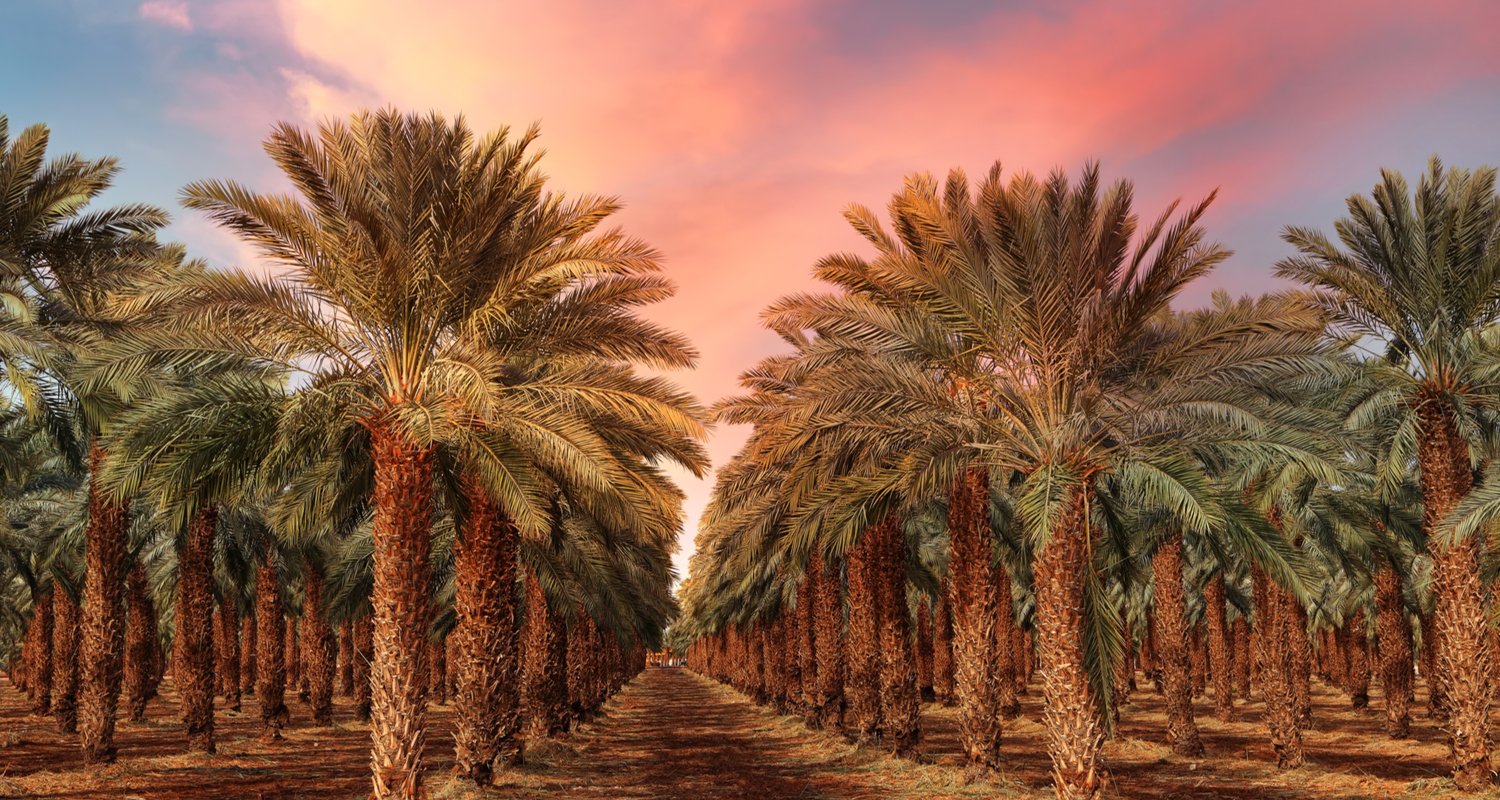
Phoenix dactylifera (Date Palm): Highly valuable for edible fruit and stately appearance.
Washingtonia robusta (Mexican Fan Palm): Fast-growing and slender, ideal for lining driveways.
Bismarckia nobilis (Bismarck Palm): Known for silver-blue fronds that reflect sunlight.
Brahea armata (Mexican Blue Palm): Extremely drought-tolerant with striking blue foliage.
When Desert Palm Wholesale explained: Landscaping and nursery buyer insights are applied, buyers learn that mixing species creates visual interest while reducing disease risk. Monocultures are vulnerable to pest outbreaks; diverse palm populations are more resilient.
Nursery Buyer Insights: What to Inspect Before Purchase
For nursery owners and landscapers, the moment of purchase is just the beginning. Professional buyers must inspect several critical factors that amateurs overlook. Here are actionable insights from Wholesale Desert Palm:
Root Ball Condition
A healthy desert palm’s root ball should be dense but not pot-bound. Look for white, firm roots with no foul odor. Brown, mushy roots indicate root rot—a common issue when palms are overwatered in nursery settings.
Trunk Caliper and Height Consistency
For large-scale projects, uniformity matters. Measure trunk diameter at standard heights (usually 1 meter above soil). Inconsistent calipers lead to uneven growth patterns, which look unprofessional in commercial landscapes.
Frond Health and Spear Leaf
The spear leaf (the youngest, central frond) should be green and firmly attached. A loose or discolored spear leaf signals lethal bud rot, which can kill the entire palm within weeks.
By focusing on these details, buyers ensure they invest in specimens that will survive transplant shock. This is a core component of what Desert Palm Wholesale explained: Landscaping and nursery buyer insights aims to deliver.
Logistics and Shipping: Protecting Your Investment
Bulk palm shipping is notoriously complex. Desert palms are heavy, tall, and sensitive to temperature extremes. Wholesale Desert Palm recommends the following logistics protocols:
Open-Top Trailers for Tall Specimens: Palms over 20 feet require specialized flatbeds with frond protection cages.
Hydration Scheduling: Roots should be moist but not saturated 48 hours before shipping. Overwatering leads to anaerobic conditions during transport.
Seasonal Timing: Avoid shipping during summer heat waves (above 100°F) or winter freezes (below 32°F). Optimal windows: March–May and September–November.
Moreover, buyers should request phytosanitary certificates when crossing state lines. Many desert palms are regulated due to pests like the red palm weevil. Wholesale Desert Palm provides all necessary documentation, but buyers must confirm their state’s import requirements beforehand.
Cost Breakdown: What You Pay For in a Wholesale Desert Palm
Transparency in pricing separates reputable wholesalers from opportunistic brokers. When Desert Palm Wholesale explained: Landscaping and nursery buyer insights include cost analysis, buyers discover that price per tree is just the beginning. True wholesale costs comprise:
Base Plant Price: Determined by age, species rarity, and trunk height.
Container vs. Field-Grown: Field-grown palms require heavy digging equipment, adding 50–50–200 per tree.
Crating and Palletizing: Mandatory for long-distance trucking.
Delivery Zone Surcharges: Remote areas incur higher freight fees.
Volume Discount Tiers: Typically 10% off at 25+ trees, 20% off at 100+ trees.
Wholesale Desert Palm advises buyers to request an all-inclusive quote that lists these line items separately. Hidden fees are common when working with uncertified suppliers.
Common Mistakes Landscapers Make with Desert Palms
Even experienced landscapers fall into predictable traps. By studying these errors, buyers can avoid costly replanting projects:
Planting Too Deep: Desert palms need their root initiation zone (the swollen base) at or slightly above soil level. Deep planting causes trunk rot.
Overwatering After Transplant: Newly planted desert palms require less water than nursery-grown ones. Overwatering suffocates roots.
Ignoring Microclimates: A desert palm that thrives in full sun may scorch against a south-facing white wall that reflects heat.
Skipping Acclimation: Palms grown in shade houses need 2–3 weeks of gradual sun exposure before field planting.
Wholesale Desert Palm includes acclimation guides with every bulk order, ensuring buyer success beyond the sale.
How Wholesale Desert Palm Supports Commercial Buyers
Unlike generic nurseries, Wholesale Desert Palm specializes exclusively in desert-adapted species. This focus yields distinct advantages for landscaping and nursery clients:
Volume Flexibility: Orders from 10 to 10,000 trees, with mixed pallets available.
On-Site Health Inspections: Third-party audits of every batch before shipping.
Replacement Guarantee: Any palm that dies within 90 days (due to proven nursery error) is replaced at no cost.
Design Consultation: Free layout planning for resorts, golf courses, and municipal projects.
These services are precisely why Desert Palm Wholesale explained: Landscaping and nursery buyer insights consistently rank as top search results for commercial procurers. The combination of expertise and accountability reduces risk in an industry where margins are tight.
Sustainability Considerations in Desert Palm Farming
Forward-thinking buyers increasingly demand sustainably grown palms. Desert palm farming can deplete groundwater if mismanaged. Wholesale Desert Palm employs recycled irrigation systems and organic soil amendments to minimize ecological impact. Additionally, we propagate via seeds rather than wild-harvesting mature palms—a practice that destroys native habitats.
When evaluating a wholesaler, ask about their water sourcing and seed collection ethics. Sustainable practices often correlate with healthier, more vigorous trees because the nursery invests in long-term soil health rather than short-term extraction.
Conclusion: Mastering the Wholesale Desert Palm Market
For landscaping firms and nursery owners, success in arid-region projects begins with informed procurement. Desert Palm Wholesale explained: Landscaping and nursery buyer insights are not merely theoretical—they are actionable strategies that protect your budget, your timeline, and your landscape’s longevity. From selecting the right Phoenix or Washingtonia species to inspecting root balls and negotiating freight, every decision matters.
Wholesale Desert Palm stands ready as your dedicated partner in this process. We combine decades of botanical expertise with logistics muscle to deliver premium desert palms directly to your job site. Whether you are landscaping a new resort in Phoenix, a municipal park in Dubai, or a residential community in Southern California, our wholesale solutions scale to your needs.
Remember: The best time to buy desert palms is before peak planting season (September–October for spring installs). Contact Wholesale Desert Palm today for a custom quote and let us help you turn barren ground into a thriving oasis—one palm at a time.