
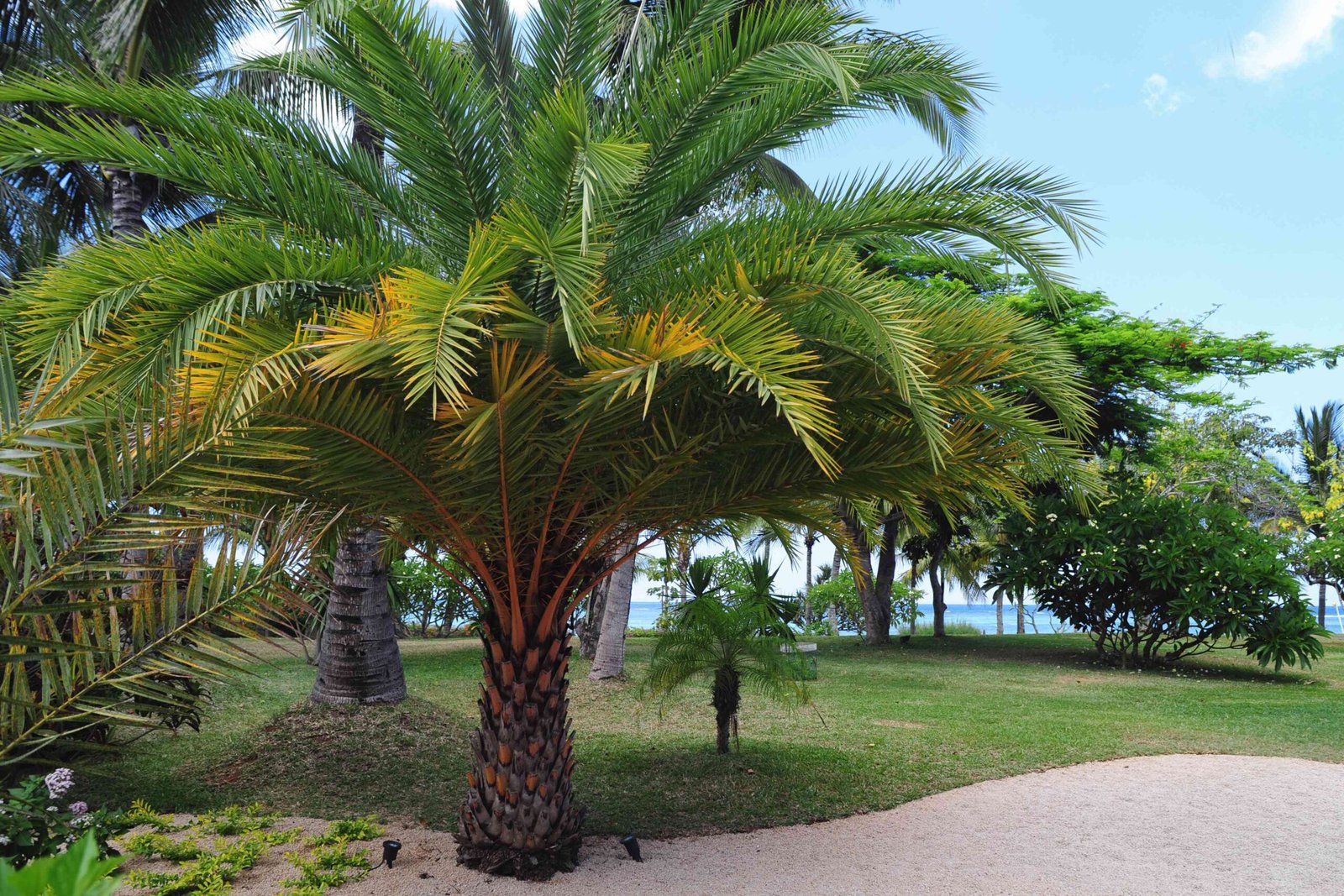
What Do I Need to Know About Palm Tree Planting in Spring? A Complete Guide
As winter frost melts away and the first warm breezes of the year arrive, gardeners and landscapers face a crucial question: What Do I Need to Know About Palm Tree Planting in Spring? or How Can Mexican Fan Palms Add Style to Your Landscape? Planting at the right time is essential for palm health, but spring offers a unique window of opportunity that must be leveraged correctly. At Wholesale Desert Palm, we have spent decades cultivating robust specimens, and we know that a spring planting done right leads to a summer of explosive growth. This guide will walk you through every variable, from soil temperature to post-planting care, ensuring your tropical investments survive and thrive.
Why Spring Is the Golden Season for Palm Planting
To understand What Do I Need to Know About Palm Tree Planting in Spring?, you must first appreciate palm biology. Palms are not typical broadleaf trees; they are monocots that generate new growth from a single apical bud. In winter, this bud remains dormant. In spring, rising soil temperatures break this dormancy and stimulate root initiation. If you plant too late in summer, heat stress can overwhelm immature roots. If you plant in fall, cold soil stunts establishment. Spring provides the perfect balance: warm soil, moderate air temperatures, and the longest possible growing season before winter returns.
Wholesale Desert Palm recommends waiting until the last frost date has passed and soil temperatures consistently reach 65°F (18°C) at a 4-inch depth. In most USDA zones 8–10, this occurs between mid-March and late April. Planting during this sweet spot reduces transplant shock by up to 60% compared to summer planting.
Preparing the Perfect Hole (It’s Not What You Think)
Many novices ask, What Do I Need to Know About Palm Tree Planting in Spring? and the most common answer they receive is “dig a deep hole.” That is incorrect. Palms require a wide, shallow hole. Here is the exact method endorsed by Wholesale Desert Palm:
Width over depth: Dig a hole three times the width of the root ball but no deeper than the root ball itself. Planting too deep suffocates the root initiation zone.
Loosen the sides: Use a garden fork to score the sidewalls of the hole. This prevents the “teacup effect” where water pools around roots.
No amendments (yet): Backfill with the native soil you removed. Adding compost or peat moss to the backfill can create a moisture barrier that discourages roots from expanding outward.
For heavy clay soils common in desert-adjacent regions, Wholesale Desert Palm suggests mixing in 20% coarse sand to improve drainage. Palms despise “wet feet” – standing water around the root ball leads to lethal root rot within weeks.
Watering Strategies for Spring-Planted Palms
Watering is the single most misunderstood element when answering What Do I Need to Know About Palm Tree Planting in Spring? Overwatering kills more spring-planted palms than drought. Here is a science-backed schedule:
Week 1-2: Water daily with 2–3 gallons per inch of trunk diameter. Keep the root ball moist but not soggy.
Week 3-4: Water every other day, reducing volume to 1–2 gallons.
Week 5 onwards: Water twice weekly, deeply soaking a 3-foot radius around the trunk.
A critical tip from Wholesale Desert Palm: Always water in the morning. Spring nights can still dip below 50°F, and wet foliage after sunset encourages fungal diseases like Ganoderma butt rot. Use a soaker hose or drip irrigation to keep water off the crown (the central spear where new leaves emerge). Water trapped in the crown on a cool spring night is an invitation to decay.
Selecting the Right Palm Variety for Spring Planting
Not all palms respond equally to spring conditions. To fully grasp What Do I Need to Know About Palm Tree Planting in Spring?, you must match the species to your microclimate. Wholesale Desert Palm specializes in arid-tolerant varieties that excel with spring planting:
| Palm Species | Spring Advantage | Cold Tolerance (F°) |
|---|---|---|
| Phoenix dactylifera (Date Palm) | Roots establish in 60°F soil | 18° |
| Washingtonia robusta (Mexican Fan Palm) | Resists spring fungal issues | 20° |
| Butia capitata (Pindo Palm) | Tolerates late spring frosts | 12° |
| Chamaerops humilis (Mediterranean Fan Palm) | Low water needs post-spring | 10° |
Avoid planting cold-sensitive species like Coconut palms or Royal palms in spring if your region experiences temperature swings. A sudden late-April frost can kill the apical bud, and you will not see damage until June – too late for remediation.
Fertilization: Do Not Feed Immediately
A frequent mistake is fertilizing the day of planting. When considering What Do I Need to Know About Palm Tree Planting in Spring?, remember that fresh roots are like chemical burns waiting to happen. Wholesale Desert Palm advises waiting 8–10 weeks after planting before applying any synthetic fertilizer. Instead, use a mycorrhizal inoculant at planting time. These beneficial fungi attach to palm roots and extend their reach by up to 700%, accessing water and phosphorus that roots alone cannot reach.
When you do fertilize (late May or early June), use a palm-specific 8-2-12 slow-release formula with micronutrients like manganese and boron. Apply it evenly within the drip line – the area directly under the fronds – not against the trunk. Over-fertilizing in spring produces weak, leggy growth that snaps under summer winds.
Mulching: The Unsung Hero of Spring Planting
If you only retain one answer to What Do I Need to Know About Palm Tree Planting in Spring?, let it be this: mulch correctly but never volcano mulch. Apply a 3-inch layer of organic mulch (wood chips or shredded leaves) in a donut shape, keeping it 6 inches away from the trunk. Correct mulch does three things for spring-planted palms:
Suppresses spring weeds that compete for nitrogen.
Moderates soil temperature swings – vital when a warm March day is followed by a freezing April night.
Retains spring moisture without waterlogging.
Wholesale Desert Palm warns against using fresh grass clippings or manure as mulch in spring. As these materials decompose, they generate heat that can cook the shallow palm roots. Stick to aged arborist chips.
Common Spring Planting Mistakes to Avoid
Even experienced gardeners mess up spring palm planting. Here is what Wholesale Desert Palm sees most often:
Tying fronds up after planting: Never bind the fronds upright. Palms need air circulation around the spear leaf to dry dew and rain. Tied fronds trap moisture and foster pink rot fungus.
Using pruning sealant: Palms do not need wound dressing. In spring, the sap flows upward naturally to seal cuts. Sealants actually trap pathogens.
Planting on windy days: Spring winds desiccate palm leaves rapidly. If you must plant on a breezy day, set up a temporary windbreak using burlap on stakes for the first 10 days.
Aftercare for the First Growing Season
Your job does not end when the hole is filled. To fully honor the question What Do I Need to Know About Palm Tree Planting in Spring?, monitor these three indicators from Wholesale Desert Palm:
Spear leaf movement: By week 4, the central spear should pull slightly when tugged. Resistance means the bud is alive. If the spear pulls out with no resistance, the palm is dying.
Frond color: Pale green or yellowing lower fronds indicate manganese deficiency – treat with a foliar spray of manganese sulfate in May only.
Trunk stability: A properly rooted spring palm should not wobble more than 1 inch when gently pushed by July. Excessive wobble means you overwatered during establishment.
Conclusion: Your Spring Planting Success Blueprint
So, What Do I Need to Know About Palm Tree Planting in Spring? You need to know that timing, hole geometry, watering restraint, variety selection, and mulch discipline form the five pillars of success. By waiting for 65°F soil, digging wide and shallow, watering morning-only, choosing species from Wholesale Desert Palm, and applying a donut of mulch, you transform a vulnerable transplant into a future canopy of tropical elegance. Spring is the palm planter’s best friend – but only if you respect its nuances. Start your spring project today with Wholesale Desert Palm, and watch your landscape reward you with decades of graceful, swaying fronds.