
Canary Island Palms: What to Know About These Gorgeous Palms
Introduction: The Majesty of Canary Island Palms
When it comes to creating a statement in landscape design, few trees command attention quite like the Canary Island Palm. Known scientifically as Phoenix canariensis, these gorgeous palms are a favorite among homeowners, landscapers, and property developers who seek to add a touch of regal elegance to their outdoor spaces. At Wholesale Desert Palm, we specialize in providing top-quality specimens that help transform ordinary properties into extraordinary paradises. But before you invest in one of these iconic trees, it’s essential to understand what makes them so special and how to ensure they thrive for decades to come.
What Are Canary Island Palms?
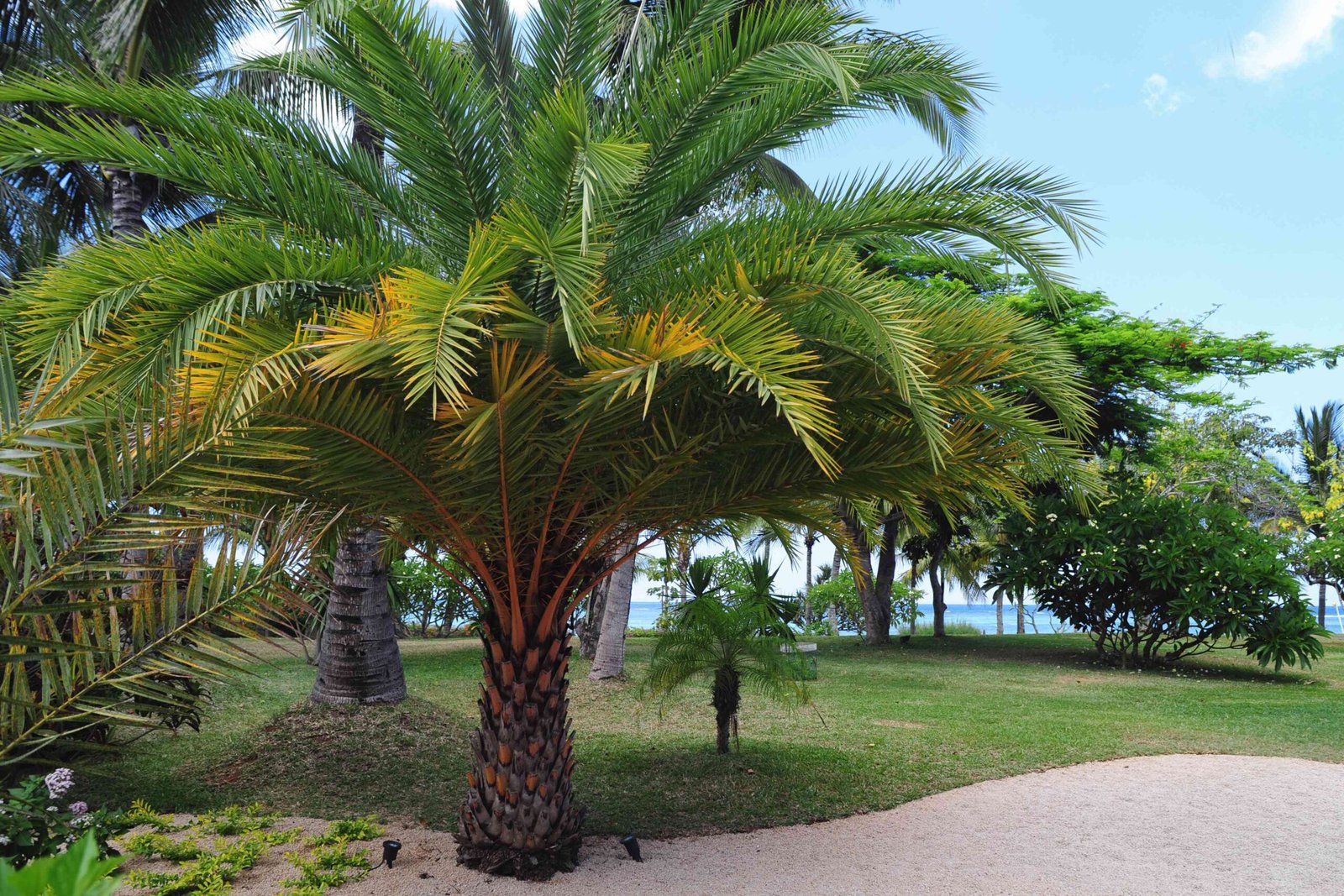
The Canary Island Palm, often called the Pineapple Palm due to its distinctive crown shape when properly pruned, is a large, solitary palm tree native to the Canary Islands . These impressive trees have become a staple in warm climates around the world, prized for their thick, robust trunks and long, feathery fronds that can reach up to 18 feet in length .
One of the most distinguishing features of the Canary Island Palm is its trunk, which is covered in diamond-shaped leaf scars that create a unique, textured pattern . This palm is slow-growing, which means patience is required—but the payoff is a magnificent tree that can live for over a century . At Wholesale Desert Palm, we understand that choosing a tree of this caliber is a long-term investment in your property’s beauty and value.
Growth and Care Requirements
Sunlight and Soil Preferences
Canary Island Palms are remarkably adaptable, which is one of the reasons they are so highly sought after. These gorgeous palms thrive in full sun but can also tolerate partial shade, making them versatile for various landscape positions . For optimal growth, well-draining soil is essential, as these palms are susceptible to root rot if left in waterlogged conditions .
Watering Needs
While the Canary Island Palm is known for its drought tolerance once established, regular watering during the early years is crucial. During the hot summer months, deep, infrequent watering encourages a strong root system . A common mistake is overwatering, which can lead to wilting, drooping fronds, and fungal issues . To avoid this, check soil moisture before watering and allow the soil to dry out between sessions.
Fertilization
Nutrient deficiencies are a common issue with Canary Island Palms, particularly potassium and magnesium deficiencies . These deficiencies often manifest as yellow spotting, browning of older fronds, or stunted growth. Using a high-quality palm fertilizer rich in potassium and magnesium, applied two to three times per year, can keep your tree healthy and vibrant. At Wholesale Desert Palm, we recommend a balanced fertilizer formulated specifically for palms to ensure your tree receives the nutrients it needs.
Landscaping with Canary Island Palms
Why Choose These Gorgeous Palms?
Canary Island Palms are more than just trees—they are status symbols that evoke a sense of luxury and timeless elegance. Their large, dramatic forms make them ideal as focal points in large gardens, along driveways, or framing building entrances . They are particularly popular in coastal areas and desert climates, as they tolerate salt spray and heat exceptionally well . Whether you’re designing a resort, a commercial property, or a private residence, these gorgeous palms can elevate the entire aesthetic.
Space Considerations
One of the most critical factors to consider when planting Canary Island Palms is their mature size. These trees can grow 40 to 60 feet tall, with a canopy that spreads just as wide . Their root systems can also extend up to 4.5 feet, so ample space is necessary for them to develop properly . Be sure to plant them far enough away from structures, power lines, and other trees to avoid future complications.
Common Problems and How to Address Them
Pests and Diseases
Even the hardiest Canary Island Palms by Wholesale desert palm can fall victim to pests and diseases. Fusarium wilt, a lethal fungal disease, is one of the most serious threats to these trees . Symptoms include one-sided frond death and internal vascular discoloration. Unfortunately, there is no cure for Fusarium wilt, and infected trees must be removed and destroyed to prevent the spread of the disease. Always sterilize pruning tools between uses to avoid contaminating healthy trees .