
Are Medjool Dates Seasonal? Understanding the Harvest and Year-Round Availability
The Short Answer: Yes and No
Are Medjool dates seasonal? The straightforward answer is yes—Medjool dates have a distinct harvest season. However, thanks to modern preservation techniques and global sourcing, these prized fruits are available throughout the year in most markets. This dual nature makes Medjool dates uniquely accessible while preserving their premium quality.
When Are Medjool Dates Harvested?
Peak Harvest Season
The Medjool date harvest typically begins in late August and runs through mid-to-late October . In California’s Coachella Valley—one of the world’s premier date-growing regions—the harvest generally starts around mid-September, though it can begin earlier depending on weather conditions .
Regional Variations
Different growing regions have slightly different harvest timing:
California (Coachella Valley): Mid-September to October
Egypt: Late August through September
Palestine/Jordan Valley: September
South Africa: Mid-February to March (opposite season in the Southern Hemisphere)
Why Are Medjool Dates Available Year-Round?
Freezing and Cold Storage
The primary reason Medjool dates remain available year-round is advanced freezing and storage technology. Leading growers freeze the fruit at harvest and maintain it in cold storage, pulling inventory as needed throughout all 12 months . Premium varieties like Medjool require storage at 5–10°C to preserve their natural sweetness, texture, and color .
Consumer Demand Driving Year-Round Availability
Over the past 15–20 years, dates have transformed from a seasonal holiday item into a year-round staple . Medjool dates in particular have seen double-digit growth as consumers seek healthy, natural sweeteners and versatile snacks .
Understanding the Harvest Process
From Tree to Table
Medjool dates go through several ripening stages—Khalal, Rutab, and Tamar—before they are ready for harvest . The cultivation process is labor-intensive, requiring hand-pollination, careful fruit thinning, and hand-harvesting to avoid bruising .
Ideal Growing Conditions
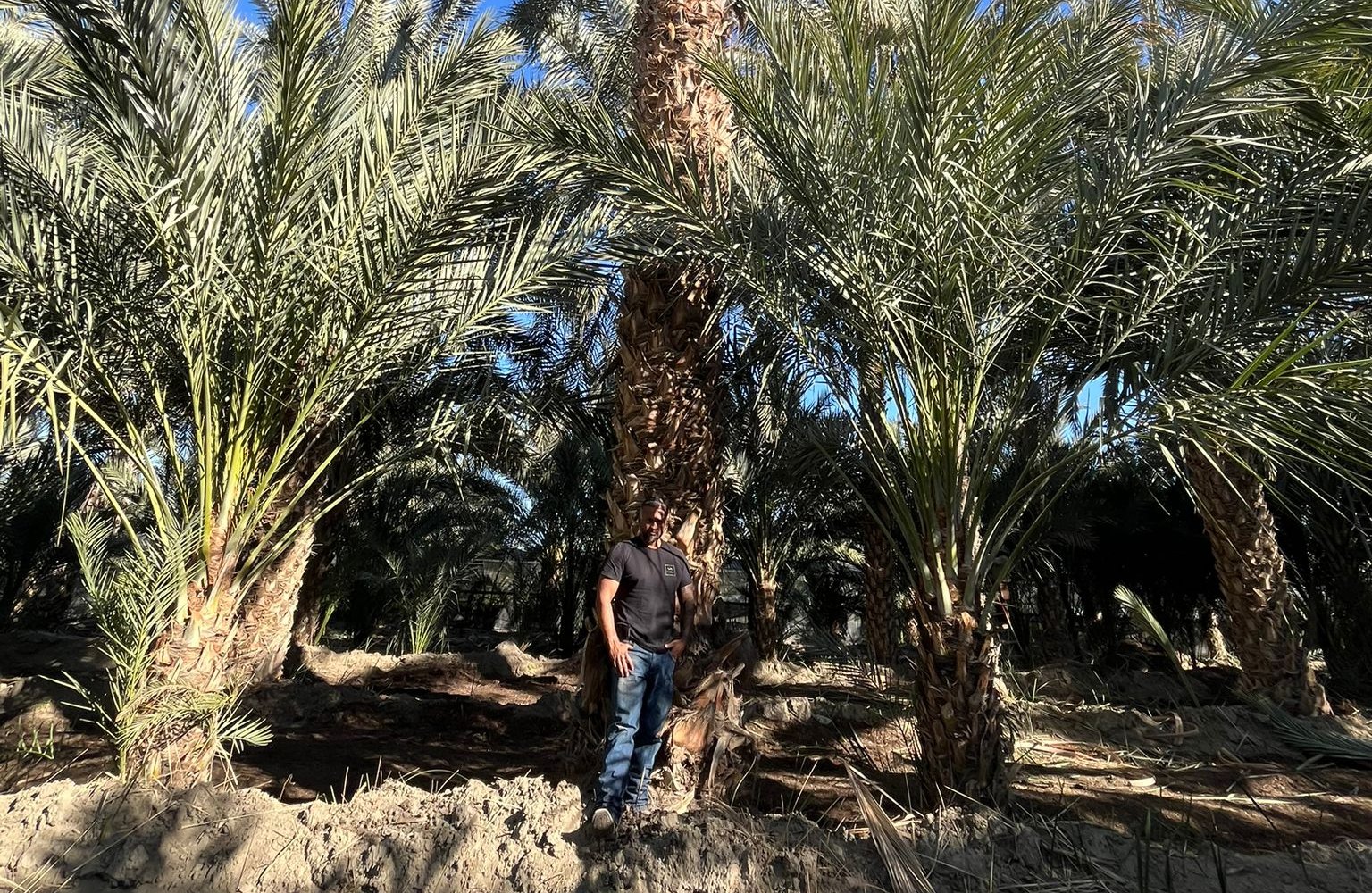
Medjool date palms thrive in hot, dry climates that mimic their Middle Eastern origins. California’s Coachella Valley is ideal, with summer temperatures reaching 120°F, underground water from the Colorado River, and minimal rainfall . Egypt’s Bahariya Oasis and other desert regions also provide perfect growing conditions .
What This Means for Consumers
Fresh Medjool dates are most abundant from September through January
Semi-dried dates (called “Tamer” in Arabic) are available year-round
Frozen Medjool dates can have a shelf life of up to one year when properly stored
Conclusion: Enjoy Medjool Dates Any Time
So, are Medjool dates seasonal? Yes, they have a defined harvest season from late summer through fall—but they are available year-round due to advanced preservation methods and global sourcing. Whether you are looking for fresh, plump Medjool dates at their seasonal peak or enjoying them throughout the year, the answer to “Are Medjool dates seasonal?” is that while they originate from a specific harvest window, modern storage ensures you can enjoy these exceptional dates whenever you want by Wholesale desert palm.