
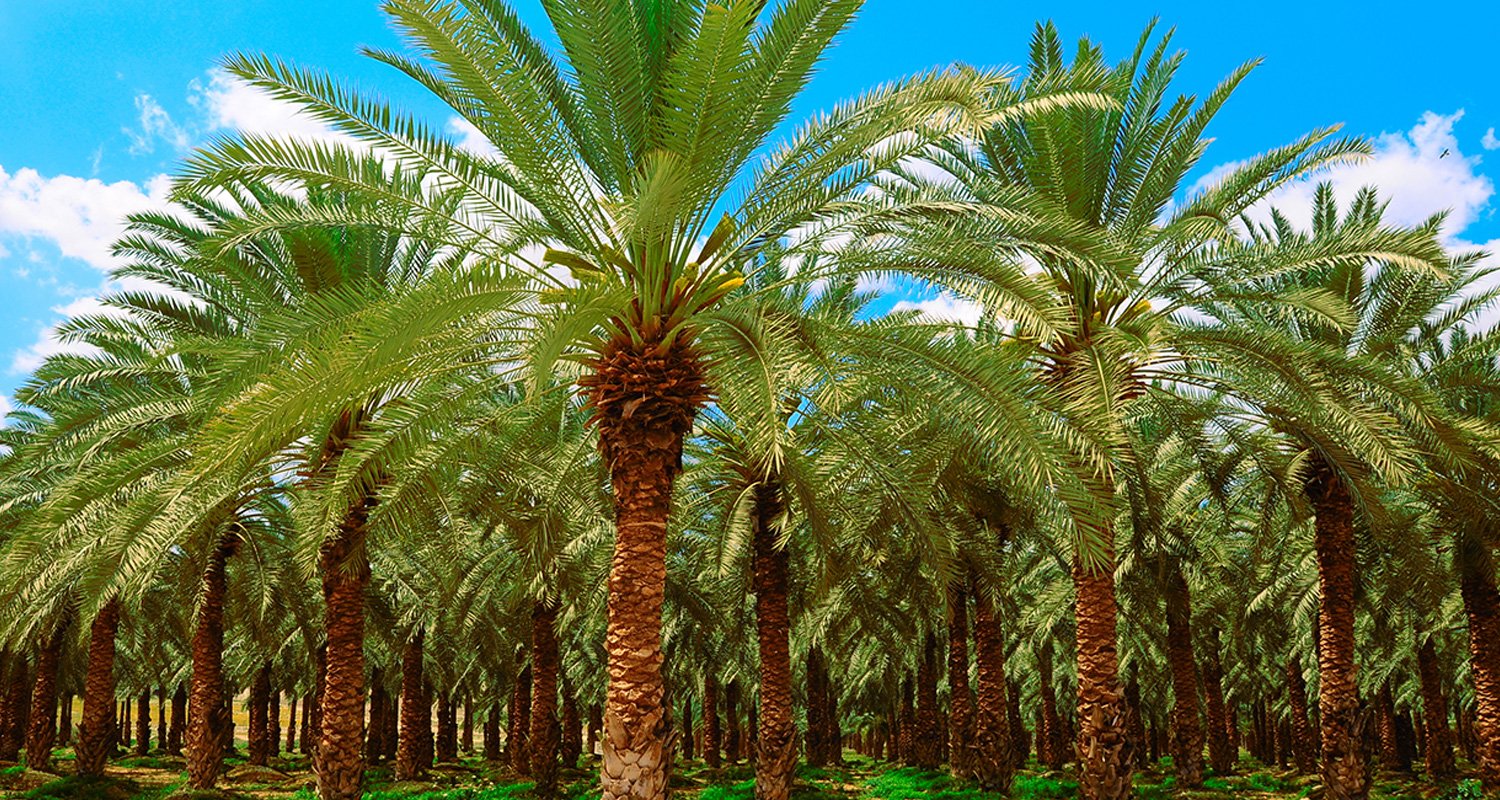
Canary Island Palm Trees: Cost, Sizes & Installation in California
Few trees make a statement quite like the canary island palm. With its massive trunk, arching feather-like fronds, and unmistakable presence, this palm instantly elevates residential and commercial landscapes across California. From coastal estates to inland developments, it has become one of the most recognizable and desirable palm trees in the state.
If you are considering adding one to your property, questions naturally arise. How much does a canary island palm tree cost? What sizes are available? What does proper installation involve? And how does it compare to other popular palms and date-producing options?
This guide answers those questions in depth, helping you make confident, informed decisions. Drawing on real-world landscaping experience in California, this article explains costs, sizing, installation, care, comparisons, and common mistakes—without fluff or shortcuts.
What Is a Canary Island Palm?
The canary island palm, also known as the Canary Island date palm, is a large ornamental palm native to the Canary Islands. Its scientific name is Phoenix canariensis. While it does produce dates, the fruit is small and primarily ornamental rather than edible.
This palm is valued for its:
Thick, sculpted trunk
Dense crown of long, arching fronds
Exceptional longevity
Strong visual impact in landscapes
In California, it thrives due to the Mediterranean-like climate found in many regions of the state.
Why Canary Island Palm Trees Matter in California Landscaping
California landscapes demand plants that balance beauty, durability, and long-term value. The canary island palm checks all three boxes.
Visual Impact and Property Value
A mature canary island palm often becomes the focal point of a property. Developers, HOAs, resorts, and homeowners choose this palm to create:
Grand entrances
Resort-style yards
Iconic street landscaping
High-end commercial appeal
Well-established palms can significantly enhance curb appeal and perceived property value.
Climate Compatibility
These palms handle:
Coastal air
Inland heat
Mild frost events
Periods of drought once established
This adaptability makes them a reliable choice across much of California.
Canary Island Palm Tree Sizes Explained
One of the most common questions buyers ask concerns size. Canary island palms are sold by trunk height rather than overall height.
Common Size Categories
| Trunk Height | Typical Use |
|---|---|
| 3–5 feet | Small residential landscapes |
| 6–10 feet | Front yards and medium projects |
| 10–20 feet | Estate homes and commercial spaces |
| 20+ feet | Landmark trees and luxury installations |
Mature canary island palms usually have trunks exceeding 15 feet, with total heights reaching 40–60 feet including fronds.
Choosing the Right Size
Consider these factors:
Available space
Budget
Desired visual impact
Access for installation equipment
Larger palms deliver instant results but require more planning and investment.
Canary Island Palm Tree Price in California
The canary island palm tree price varies widely depending on size, availability, and installation complexity.
Average Tree Costs (Tree Only)
| Trunk Size | Estimated Price Range |
|---|---|
| 3–5 ft | $1,500 – $3,000 |
| 6–10 ft | $3,500 – $7,000 |
| 10–15 ft | $7,500 – $15,000 |
| 15–20 ft | $15,000 – $30,000+ |
Prices reflect the time required to grow these palms, which can span decades for larger specimens.
Canary Island Palm Installation Costs
Tree cost is only part of the investment. Canary island palm installation requires professional handling due to size and weight.
What Installation Typically Includes
Tree transport
Crane or heavy equipment use
Proper hole preparation
Soil amendments
Structural positioning
Initial stabilization
Installation Cost Ranges
| Tree Size | Installation Cost |
|---|---|
| Small to medium | $1,000 – $3,000 |
| Large specimens | $4,000 – $10,000+ |
Sites with limited access or slope may increase costs.
Step-by-Step: How Canary Island Palms Are Installed
Understanding the installation process helps set realistic expectations.
Step 1: Site Evaluation
Professionals assess:
Soil type
Drainage
Space clearance
Underground utilities
Step 2: Transport and Equipment Setup
Large palms are delivered using flatbeds and cranes. Access planning is essential.
Step 3: Hole Preparation
The hole is wider than the root ball, allowing for:
Proper root expansion
Soil amendments
Drainage correction
Step 4: Placement and Alignment
The palm is carefully positioned upright. Orientation matters for visual symmetry.
Step 5: Backfilling and Stabilization
Soil is compacted gently. Temporary supports may be used during establishment.
Step 6: Initial Watering
Deep watering eliminates air pockets and supports root recovery.
Landscaping With Canary Island Palms in California
As one of the most recognizable landscaping palm trees California offers, this palm works best with thoughtful design.
Ideal Landscape Uses
Driveway accents
Poolside focal points
Commercial entrances
Park and boulevard plantings
Spacing Recommendations
Allow at least 15–20 feet between palms
Keep distance from structures and power lines
Their crown spread increases with age.
Pros and Cons of Canary Island Palms
Every tree has strengths and limitations.
Advantages
Long lifespan
Dramatic appearance
Tolerant of varied climates
Low routine maintenance
Considerations
Higher upfront cost
Large space requirement
Heavy fronds require safe pruning
Susceptible to certain pests if neglected
Understanding both sides helps avoid disappointment.
Canary Island Date Palm for Sale vs Date-Producing Palms
Many buyers confuse ornamental date palms with fruit-producing varieties.
Canary Island Palm
Grown for appearance
Produces small, inedible dates
Thick trunk and dense crown
Medjool Date Palm (Date-Producing Option)
The medjool date palm is favored for edible fruit production.
Slender trunk
Taller growth habit
Requires agricultural spacing
Best for groves and farming
Deglet Date Palm (Farming Comparison)
The Deglet date palm is another agricultural variety.
Known for semi-dry dates
Requires hot, arid conditions
Less ornamental appeal
If your goal is visual impact, the canary island palm excels. For fruit production, medjool and Deglet palms are better suited.
Growth Rate and Long-Term Expectations
Canary island palms grow slowly compared to other palms.
Typical Growth Pattern
Establishment phase: 1–2 years
Trunk growth: gradual and steady
Full maturity: several decades
Slow growth contributes to their value and durability.
Watering and Care Requirements
Once established, these palms are relatively forgiving.
Watering Guidelines
Newly planted: deep watering 2–3 times weekly
Established palms: every 10–14 days during warm months
Maintenance Needs
Annual or biannual pruning
Nutrient-balanced fertilization
Pest monitoring
Overwatering and improper pruning are common issues.
Common Mistakes to Avoid
Even premium palms can fail if mishandled.
Frequent Errors
Planting too deep
Overwatering
Using unqualified installers
Ignoring early pest signs
Crowding palms too closely
Avoiding these mistakes protects your investment.
Expert Suggestions for Best Results
Professionals recommend:
Buying palms acclimated to California
Ensuring excellent drainage
Scheduling installation during mild seasons
Partnering with experienced suppliers
Working with established growers and installers ensures long-term success.
Why Choose Wholesale Desert Palms
Wholesale Desert Palms supplies premium palm trees suited for California landscapes. With a focus on quality, proper handling, and regional expertise, they offer reliable options for homeowners, landscapers, and developers.
You can explore availability and guidance at:
https://wholesaledesertpalms.com/
Frequently Asked Questions
What is a canary island palm best used for?
It is best used as a focal or statement tree in residential, commercial, and public landscapes.
How much does a canary island palm tree cost in California?
Prices range from a few thousand dollars for small palms to over $30,000 for mature specimens.
How long does installation take?
Most installations are completed within one day, depending on site access and tree size.
Are canary island palms good for coastal areas?
Yes, they tolerate salt air and coastal conditions well.
Do canary island palms produce edible dates?
No, their fruit is ornamental and not typically consumed.
How much space does a mature palm need?
Allow at least 15–20 feet of clearance for proper growth and crown spread.
Are these palms drought tolerant?
Once established, they handle drought well with periodic deep watering.
What is the difference between canary island palms and medjool date palms?
Canary island palms are ornamental, while medjool palms are grown for edible dates.
Can these palms be transplanted?
Yes, but only with professional equipment and proper preparation.
What is the lifespan of a canary island palm?
With proper care, they can live for many decades, often exceeding 100 years.
Final Thoughts
The canary island palm is more than a tree—it is a long-term landscape investment. With the right size selection, proper installation, and thoughtful care, it delivers unmatched visual impact and durability across California properties.
Whether you are enhancing a private residence or planning a large-scale project, understanding costs, installation, and alternatives ensures your palm thrives for generations. When sourced and installed correctly, few trees rival the timeless presence of a mature canary island palm.