
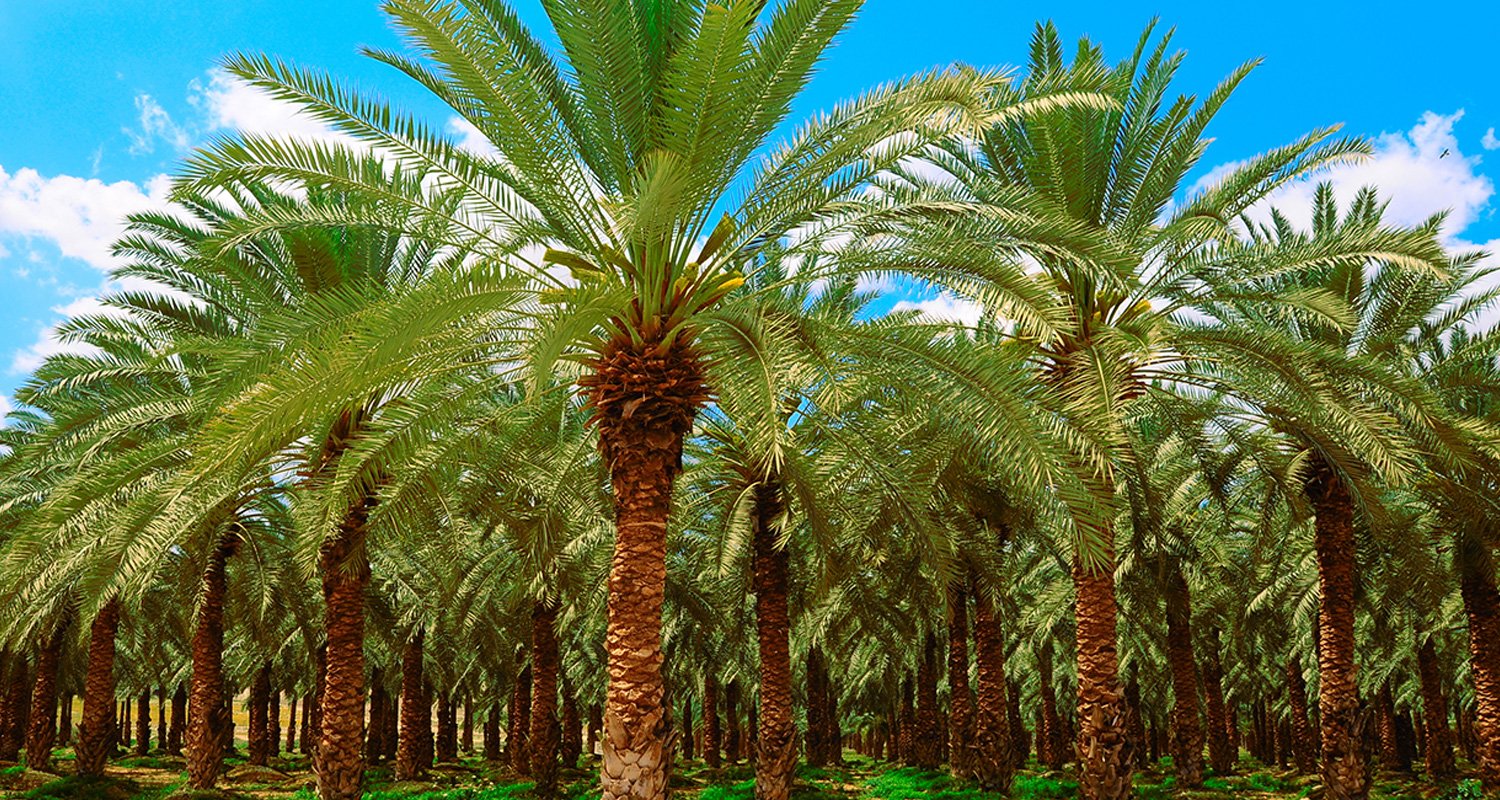
How to Choose the Best Wholesale Desert Palm Supplier in California
California’s landscapes are shaped by palms. From private backyards to commercial resorts, desert palms define luxury, shade, and long-term property value. Choosing the right wholesale supplier is not a small decision. The supplier you select affects plant health, project timelines, costs, and long-term success.
This Wholesale Desert Palm Guide is designed to help homeowners, landscapers, developers, and contractors make confident, informed decisions. It explains what to look for, what to avoid, and how to evaluate suppliers across California’s diverse climates and we also provide Wholesale Desert Palm Guide: Varieties, Pricing, and Bulk Buying Tips.
Understanding Wholesale Desert Palms
Wholesale desert palms are mature or semi-mature palm trees grown specifically for large-scale landscaping, resale, or development projects. These palms are cultivated to handle arid and semi-arid environments, making them ideal for most California regions.
Common desert palm varieties include:
Date palms
Canary Island date palms
Mexican fan palms
California fan palms
Mediterranean fan palms
Wholesale purchasing differs from retail buying in scale, pricing, logistics, and plant handling. Buyers often purchase multiple trees at once, sometimes with delivery, installation, and ongoing support.
Why Choosing the Right Supplier Matters
A palm tree is a long-term investment. Many species live for decades or longer. A poor supplier choice can result in:
Weak root systems
Improper acclimation to local climates
Higher mortality rates after planting
Delays in delivery and installation
Unexpected replacement costs
The right supplier, on the other hand, provides healthy palms, transparent pricing, expert guidance, and reliable logistics. That support protects both your budget and your landscape.
California’s Climate and Desert Palm Compatibility
California is not one uniform climate. Coastal humidity, inland heat, desert dryness, and cooler northern regions all affect palm performance.
A qualified wholesale supplier understands:
USDA hardiness zones across California
Heat tolerance levels for different palm species
Water requirements based on soil and location
Wind resistance and sun exposure needs
Suppliers who grow palms locally or regionally usually offer better acclimated trees than those shipping from distant climates.
Key Traits of a Reliable Wholesale Desert Palm Supplier
1. Proven Experience and Track Record
Experience matters in horticulture. Established suppliers have refined growing, harvesting, and transport processes over many years.
Look for suppliers who:
Have operated in California for several years
Serve residential, commercial, and municipal clients
Can explain growing methods clearly
Provide references or project examples
Experienced suppliers anticipate problems before they occur.
2. High-Quality Nursery Practices
Healthy palms start at the nursery. Ask how palms are grown, spaced, fertilized, and maintained.
Strong nursery practices include:
Proper root ball development
Disease and pest monitoring
Controlled watering schedules
Regular soil testing
Clean harvesting techniques
Poor nursery care leads to transplant shock and slow establishment.
3. Wide Selection of Palm Varieties and Sizes
Every project has different needs. A strong wholesale supplier offers flexibility.
A good inventory includes:
Multiple desert palm species
Various trunk heights and caliper sizes
Container-grown and field-grown options
Availability for bulk orders
Limited selection often forces buyers into unsuitable choices.
4. Transparent Pricing and Quotes
Wholesale pricing should be clear, detailed, and consistent.
Reliable suppliers provide:
Per-tree pricing based on size and species
Delivery cost breakdowns
Installation options, if available
Replacement or guarantee policies
Avoid suppliers who give vague estimates or shift prices later.
Step-by-Step Process to Choose the Best Supplier
Step 1: Define Your Project Needs
Before contacting suppliers, outline your requirements.
Consider:
Number of palms needed
Desired species
Trunk height and maturity level
Project location
Timeline for delivery and planting
Clear requirements prevent miscommunication.
Step 2: Research Local and Regional Suppliers
Start with suppliers operating within California or neighboring desert regions.
Check:
Company websites
Business longevity
Service areas
Customer testimonials
Local expertise improves plant survival rates.
Step 3: Ask Detailed Questions
Quality suppliers welcome questions. Pay attention to how they respond.
Important questions include:
Where are the palms grown?
How are palms prepared for transport?
What is the average survival rate?
Do you provide planting guidance?
Are replacements available for failed trees?
Evasive answers are a warning sign.
Step 4: Inspect Inventory When Possible
If feasible, visit the nursery or request recent photos.
During inspection, look for:
Firm trunks with no soft spots
Healthy green fronds
No visible pests or fungal damage
Properly wrapped root balls
Visual confirmation builds confidence.
Step 5: Evaluate Logistics and Support
Transportation and handling are critical for large palms.
Confirm details such as:
Equipment used for loading and unloading
Delivery timelines
On-site placement options
Installation coordination
Poor logistics can damage even the healthiest palms.
Wholesale Desert Palm Guide: Pricing Factors Explained
Palm pricing varies widely. Understanding cost factors helps set realistic expectations.
Key pricing influences include:
| Factor | Impact on Cost |
|---|---|
| Palm species | Rare species cost more |
| Trunk height | Taller palms are more expensive |
| Root ball size | Larger root balls increase price |
| Quantity ordered | Bulk orders may reduce unit cost |
| Delivery distance | Longer distances add logistics costs |
| Installation needs | Equipment and labor affect pricing |
Cheapest options often lead to higher replacement costs later.
Benefits of Buying from a Specialized Desert Palm Supplier
Choosing a specialized supplier offers several advantages.
Long-Term Plant Health
Specialists focus on palms, not general nursery stock. Their palms adapt faster and grow stronger.
Project Efficiency
Accurate delivery timelines and professional handling keep projects on schedule.
Expert Guidance
Suppliers with palm expertise can recommend species based on soil, sun exposure, and water availability.
Cost Control
Healthy palms reduce replacement, maintenance, and warranty claims.
Comparing Wholesale vs Retail Palm Purchasing
Wholesale and retail options serve different needs.
Wholesale Purchasing
Pros:
Lower cost per tree
Access to mature palms
Bulk availability
Professional-grade support
Cons:
Minimum order requirements
Requires planning and logistics
Retail Purchasing
Pros:
Small quantity purchases
Immediate pickup
Cons:
Limited sizes
Higher prices
Less acclimated stock
For serious landscaping projects, wholesale is the practical choice.
Common Mistakes to Avoid When Choosing a Supplier
Many buyers repeat the same errors. Avoiding these saves time and money.
Choosing Based on Price Alone
Low prices often signal poor root systems or improper growing practices.
Ignoring Climate Compatibility
Not all palms thrive everywhere. Species selection matters.
Skipping Supplier Vetting
Lack of research increases risk of delays and plant loss.
Overlooking After-Sale Support
Planting guidance and follow-up support are essential.
Expert Insights on Long-Term Palm Success
Industry professionals agree on several best practices.
Always prioritize root health over trunk height
Allow palms time to acclimate before peak heat seasons
Invest in proper soil preparation
Use drip irrigation during establishment
Schedule planting during moderate weather when possible
Strong suppliers reinforce these practices rather than rushing sales.
Why Many Buyers Choose Wholesale Desert Palms
Wholesale Desert Palms has earned trust by focusing on quality, transparency, and long-term results. Buyers value suppliers who combine horticultural expertise with reliable service.
A dependable supplier simplifies complex decisions and protects your investment from start to finish.
Website: https://wholesaledesertpalms.com/
Frequently Asked Questions
What is a wholesale desert palm supplier?
A wholesale desert palm supplier grows and sells palms in bulk for landscaping, development, and resale projects.
Why should I buy palms wholesale instead of retail?
Wholesale purchasing offers better pricing, larger sizes, healthier stock, and professional support for large projects.
How do I know if a palm is healthy before buying?
Healthy palms have firm trunks, green fronds, strong root balls, and no visible pests or rot.
How much do wholesale desert palms cost in California?
Costs vary by species, size, and delivery distance, ranging from a few hundred to several thousand dollars per palm.
What palm species work best in California’s desert regions?
Date palms, Mexican fan palms, and Canary Island date palms perform well in hot, dry areas.
How long does delivery usually take?
Delivery timelines depend on inventory availability, distance, and order size, often ranging from days to a few weeks.
Do wholesale suppliers offer installation services?
Many suppliers coordinate delivery and placement, while some also offer full installation services.
What are common mistakes buyers make?
Choosing based only on price, ignoring climate compatibility, and skipping supplier research are common errors.
Are replacement guarantees common with wholesale palms?
Some suppliers offer limited guarantees, especially when planting guidelines are followed.
Can I buy wholesale palms for a residential project?
Yes. Many homeowners purchase wholesale palms for large landscapes or estate properties.
Final Thoughts
Choosing the right wholesale desert palm supplier in California requires research, planning, and the right questions. A strong supplier provides more than trees. They offer expertise, reliability, and long-term value.
Use this Wholesale Desert Palm Guide as a reference when evaluating options. The right decision today ensures thriving palms and beautiful landscapes for years to come.