
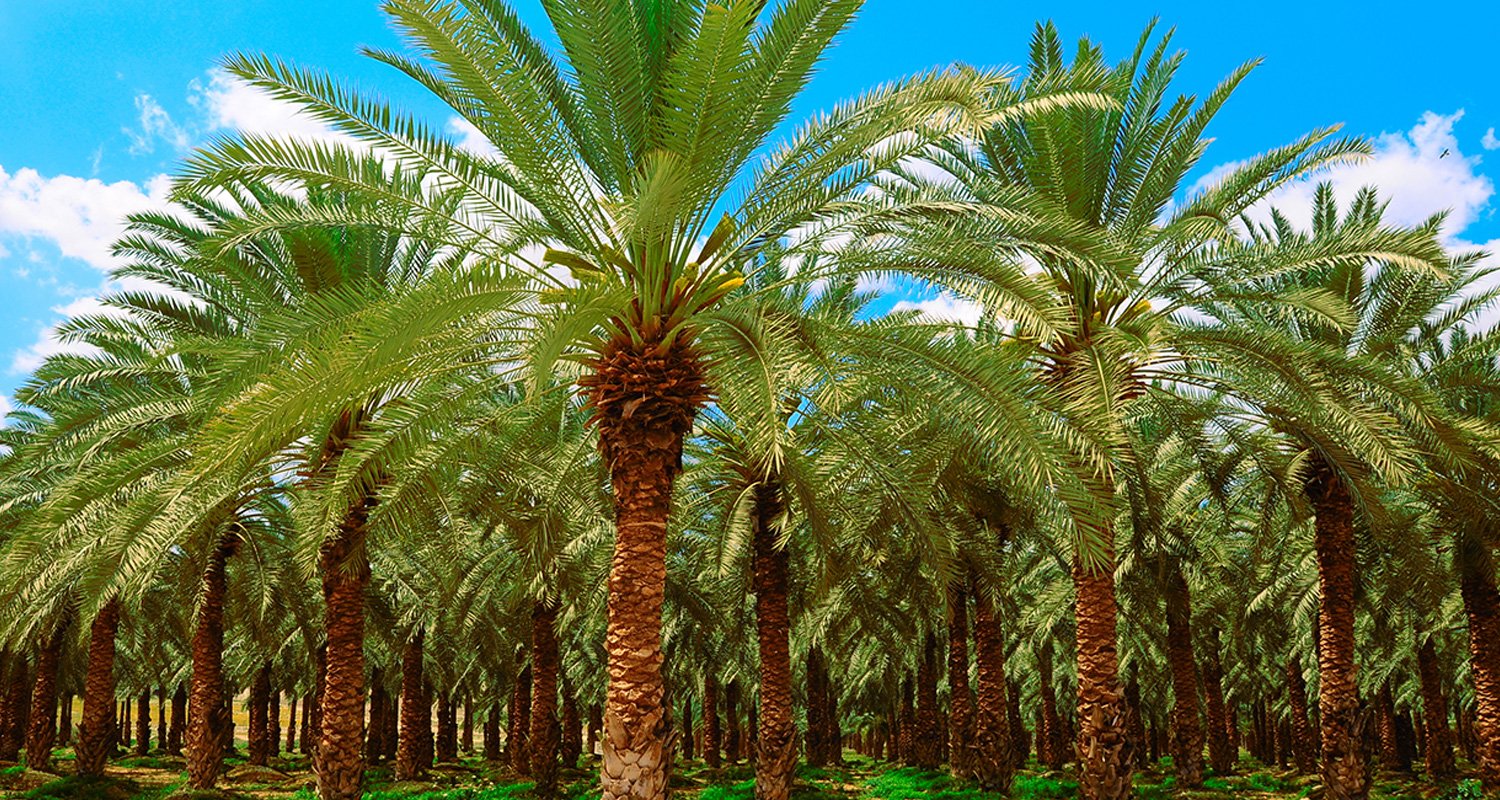
How to Choose the Best Wholesale Desert Palm Supplier in California
California’s arid climate and water-conscious landscaping trends have made desert palms a premium commodity. Whether you are a landscape architect, a property developer, or a retail nursery owner, sourcing these iconic trees requires more than just a quick online search. You need a partner who understands transpiration rates, soil salinity, and long-haul logistics.
Selecting the wrong vendor can result in transplant shock, pest infestations, and massive financial losses. This guide provides a professional framework for vetting your next partner. By the end of this article, you will know exactly how to identify a Wholesale Desert Palm Supplier in California that prioritizes survival rates and cost-efficiency also provide Wholesale Desert Palm Guide: Varieties, Pricing, and Bulk Buying Tips.
Why Your Choice of Supplier Impacts Project Success
Desert palms (such as Washingtonia robusta, Brahea armata, and Phoenix dactylifera) are unique. They store water in their trunks and require specific handling during extraction and transport. A generic tree wholesaler often lacks the specialized equipment to dig root balls in sandy loam or the climate-controlled storage needed to prevent desiccation.
Conversely, a dedicated Wholesale Desert Palm Supplier in California understands that the transition from field to landscape is the highest risk period. They will offer pre-conditioning (hardening off) and guarantee against spear pull—a common sign of terminal stress. For large-scale commercial projects, the difference between a surviving palm and a dead one is directly tied to the supplier’s expertise in desert varietals.
5 Critical Factors to Evaluate Potential Suppliers
To ensure you are making a data-driven decision, evaluate every candidate against the following five benchmarks. These criteria separate seasonal brokers from genuine, reliable Wholesale Desert Palm Supplier in California operations.
1. Proven Track Record with Native Varietals
Do not rely on website photos. Ask for a client list of past commercial deliveries within the last 12 months. A legitimate Wholesale Desert Palm Supplier in California will have verifiable case studies involving mature palms (15-30 foot trunk height). Verify that they have experience with Butia capitata (Pindo palm) or Brahea armata (Mexican Blue palm), which have different root sensitivities compared to standard fan palms.
2. Transparent Pricing and Volume Discounts
Beware of “all-inclusive” quotes that hide delivery fees or California Agricultural Inspection surcharges. The best Wholesale Desert Palm Supplier in California provides an itemized invoice: tree cost, digging fee, crane loading, and freight per mile. For orders exceeding 50 units, negotiate tiered discounts. Be aware of market rates—if a price is 30% below the California average, the trees may be field-grown without adequate root pruning, leading to 40% mortality upon replanting.
3. Health Certification and Pest Management
California enforces strict quarantines on palm weevils (Rhynchophorus ferrugineus) and Fusarium wilt. Reputable Wholesale Desert Palm Supplier in California will furnish a state phytosanitary certificate for every shipment. Insist on inspecting the “spear leaf” (the newest frond) for discoloration and checking the trunk for “bleeding” (dark, oozing sap). A clean bill of health is non-negotiable for commercial landscaping permits.
4. Logistics and Delivery Windows
Desert palms should be planted during the warm soil season (late spring to early fall) in Southern California. Ask about their delivery fleet: Do they use air-ride suspension to reduce root vibration? What is the maximum time between digging and delivery? Superior Wholesale Desert Palm Supplier in California partners guarantee “dig-to-delivery” within 72 hours to prevent root desiccation. Avoid any supplier that relies on third-party freight brokers without temperature-controlled tarps.
5. Post-Sale Support and Warranty
The transaction does not end at delivery. Professional suppliers offer a 90-day warranty against transplant failure, provided the buyer follows their irrigation schedule (typically deep watering every 14 days for the first two months). The leading Wholesale Desert Palm Supplier in California will also provide a written “palm establishment guide” detailing staking techniques and fertilizer blends (e.g., slow-release 8-2-12 with micronutrients). If a supplier refuses to warranty their product, walk away.
Where to Find Verified Wholesale Desert Palm Suppliers
While directories like NurseryGuide or CalPoly’s Urban Forest list are useful, the most efficient method is contacting the California Landscape Contractors Association (CLCA) for referrals. Additionally, examine the supplier’s Google Business Profile for “repeat landscape architects.” A genuine Wholesale Desert Palm Supplier in California will have reviews mentioning specific job sites (e.g., “Delivered 40 Braheas to Palm Springs project”).
Pro Tip: Visit the growing fields before signing a contract. During your visit, count the number of palms that have been root-pruned (marked by a circle of trenched soil). This forces the tree to develop a compact, transportable root ball. If the field shows no evidence of root pruning 6 months prior to sale, the supplier is prioritizing speed over survival.
The Cost-Benefit Analysis of Local vs. Out-of-State Suppliers
Many buyers are tempted by Arizona or Texas growers offering lower base prices. However, after factoring in California’s border inspection fees (15–15–25 per tree), extended freight costs (often +$300 per load for fuel surcharges), and increased mortality due to climate shock, a local Wholesale Desert Palm Supplier in California is almost always the more economical choice.
For example, a Mexican fan palm from an in-state supplier typically arrives with intact root systems and acclimated to California’s specific soil pH (7.0–8.5). Out-of-state palms may struggle with the sudden change in humidity and irrigation water quality. You are not just buying a tree; you are buying the environmental memory of its growing location.
Conclusion: Making the Final Decision
Choosing the right Wholesale Desert Palm Supplier in California directly impacts your project’s profitability and aesthetic longevity. Do not settle for the cheapest quote or the flashiest website. Instead, demand transparent health certifications, verified field inspections, and a written warranty.
For commercial buyers seeking consistency across thousands of units, Wholesale Desert Palm (the brand) has emerged as the benchmark for California-compliant specimens. Whether you need drought-tolerant Brahea armata for a civic center or fast-growing Washingtonia for a resort corridor, prioritize suppliers who treat each palm as a biological investment rather than a commodity. By following the five evaluation steps above—track record, pricing, health, logistics, and support—you will secure a partnership that keeps your landscapes thriving for decades.
Ready to source premium desert palms? Contact a certified Wholesale Desert Palm Supplier in California today to request a health certificate and bulk quote.