
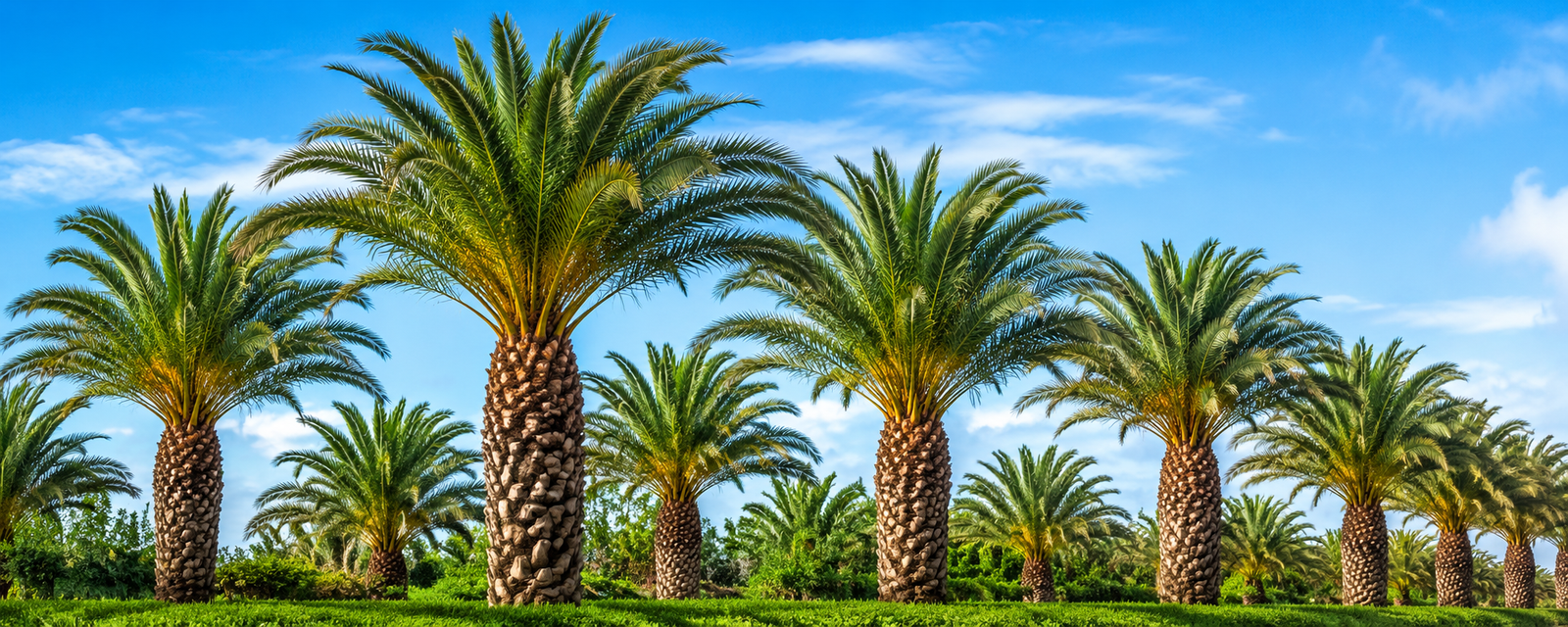
How to Know What Size Palm Tree to Purchase: Your Ultimate Guide
Introduction
Choosing the right palm tree for your landscape can feel overwhelming with so many sizes and species available. Whether you’re dreaming of a towering focal point or a compact container specimen, knowing how to know what size palm tree to purchase is essential for long-term success. Palm Tree Shock: What to Watch For, What to Do at Wholesale Desert Palm, we understand that selecting the perfect palm involves balancing aesthetics, space requirements, and budget considerations. This comprehensive guide will walk you through everything you need to consider to make an informed decision and ensure your new palm thrives for years to come.
Understanding Palm Tree Size Categories
Before you can determine how to know what size palm tree to purchase, it helps to understand the general size categories. Palm trees range dramatically in height from just a few feet to over 100 feet tall . Small palm trees typically remain under 12 feet in height and are ideal for indoor spaces, patios, or small gardens where space is limited . Medium-sized palms reach between 15 and 40 feet tall, making them versatile choices for residential landscaping where they provide shade without overwhelming the property . Large palm trees soar over 40 feet and can reach up to 100 feet, creating dramatic statements suitable for expansive properties or commercial applications . Understanding these categories helps you narrow down your options and identify which size range suits your needs.
Assessing Your Space and Landscape Needs
The first step in learning how to know what size palm tree to purchase is evaluating your available space. Measure the area where you plan to plant, considering both height restrictions and horizontal spread. Look up to check for overhead power lines, roof overhangs, or nearby structures that might interfere with a tall-growing palm . Consider the mature width of the palm’s crown as well, as some varieties spread 10 to 35 feet across at maturity . Walk around your yard to identify microclimates and potential problem areas. If you have limited ground space, consider clustering smaller palms together for visual impact rather than choosing one large specimen that might overwhelm the area. Remember that a palm that looks perfectly sized in a nursery container may eventually outgrow its space, so always plan for its mature dimensions.
Considering Growth Rates and Patience
When deciding how to know what size palm tree to purchase, growth rate plays a crucial role. Some palms grow rapidly, adding more than two feet per year, while others are notoriously slow-growing, adding just a foot annually . A common saying among palm enthusiasts is that choosing between a smaller or larger palm comes down to “time or money” . If you’re patient and enjoy watching your garden develop over time, starting with smaller, more affordable specimens can be deeply rewarding. However, if you want immediate impact or need to fill a space quickly, investing in a larger palm may be worth the higher upfront cost. Slow-growing species like the Pygmy Date Palm or Bismarck Palm will take years to reach impressive sizes, so purchasing a larger specimen might save you decades of waiting if you want a mature look sooner .
Evaluating Your Budget
Understanding your budget is essential when determining how to know what size palm tree to purchase. Larger palms cost significantly more due to the time, care, and resources invested in growing them . A 15-gallon container palm may cost several times more than a 3-gallon specimen of the same species. Additionally, larger palms are heavier and more challenging to transport and install, often requiring specialized equipment and additional labor costs . Consider whether you prefer fewer large palms for dramatic impact or a greater number of smaller palms for broader coverage. At Wholesale Desert Palm, we recommend evaluating your budget holistically—factoring in not just the purchase price but also delivery, installation, and long-term maintenance costs.
Matching Palm Size to Climate and Conditions
Climate considerations directly influence how to know what size palm tree to purchase for your location. Your USDA hardiness zone determines which species can survive in your area, and larger specimens often have better cold tolerance than their smaller counterparts . A larger, more established palm may survive a freeze that would kill a juvenile plant of the same species. For marginal climates where winter temperatures occasionally dip, choosing a larger palm can provide valuable insurance against cold damage. Additionally, consider sun exposure, wind conditions, and soil type when selecting your palm. Desert-adapted species like the Washingtonia filifera (California Fan Palm) thrive in full sun and tolerate drought, making them excellent choices for arid landscapes . Understanding your site conditions will help you select a palm that not only fits your space but also flourishes.
Choosing the Right Container Size
Container size provides another clue when learning how to know what size palm tree to purchase. Common container sizes include 1-gallon, 3-gallon, 5-gallon, 7-gallon, and 15-gallon pots, with larger containers indicating more mature plants . However, be cautious—sometimes a palm in a 7-gallon pot is simply a 3-gallon plant that was recently stepped up to a larger container. Look for well-rooted specimens where the roots fill the container appropriately. Many enthusiasts prefer 3-gallon to 5-gallon sizes because they offer a good balance between maturity, affordability, and ease of handling . These sizes are large enough to establish quickly but small enough to transport and plant without heavy equipment.
Indoor vs. Outdoor Palm Selection
The intended location dramatically affects how to know what size palm tree to purchase. Indoor palms should generally remain under 10 feet tall at maturity and tolerate lower light conditions. Popular indoor choices include the Bamboo Palm, Kentia Palm, and Lady Palm, which adapt well to indoor environments and grow slowly indoors . For outdoor planting, consider whether the palm will serve as a focal point, provide shade, or create privacy. Large palms like the Queen Palm or Canary Island Date Palm make bold statements and provide significant shade, while medium-sized varieties like the Triangle Palm or European Fan Palm offer elegance without dominating the space .
Conclusion
Learning how to know what size palm tree to purchase involves balancing multiple factors, including available space, climate conditions, budget, growth rates, and your personal preferences. At Wholesale Desert Palm, we believe the best approach is to start with a clear vision of your landscape goals, measure your space thoroughly, and research species that match your conditions. Consider whether you have the patience to watch a smaller palm grow or if you need immediate impact from a larger specimen. Remember that successful palm selection is about finding harmony between the plant’s needs and your landscape’s characteristics. With careful planning and consideration, you’ll select a palm that enhances your property and brings tropical beauty for generations to come. Visit Wholesale Desert Palm to explore our extensive selection of quality palms in all sizes and discover the perfect specimen for your landscape.