
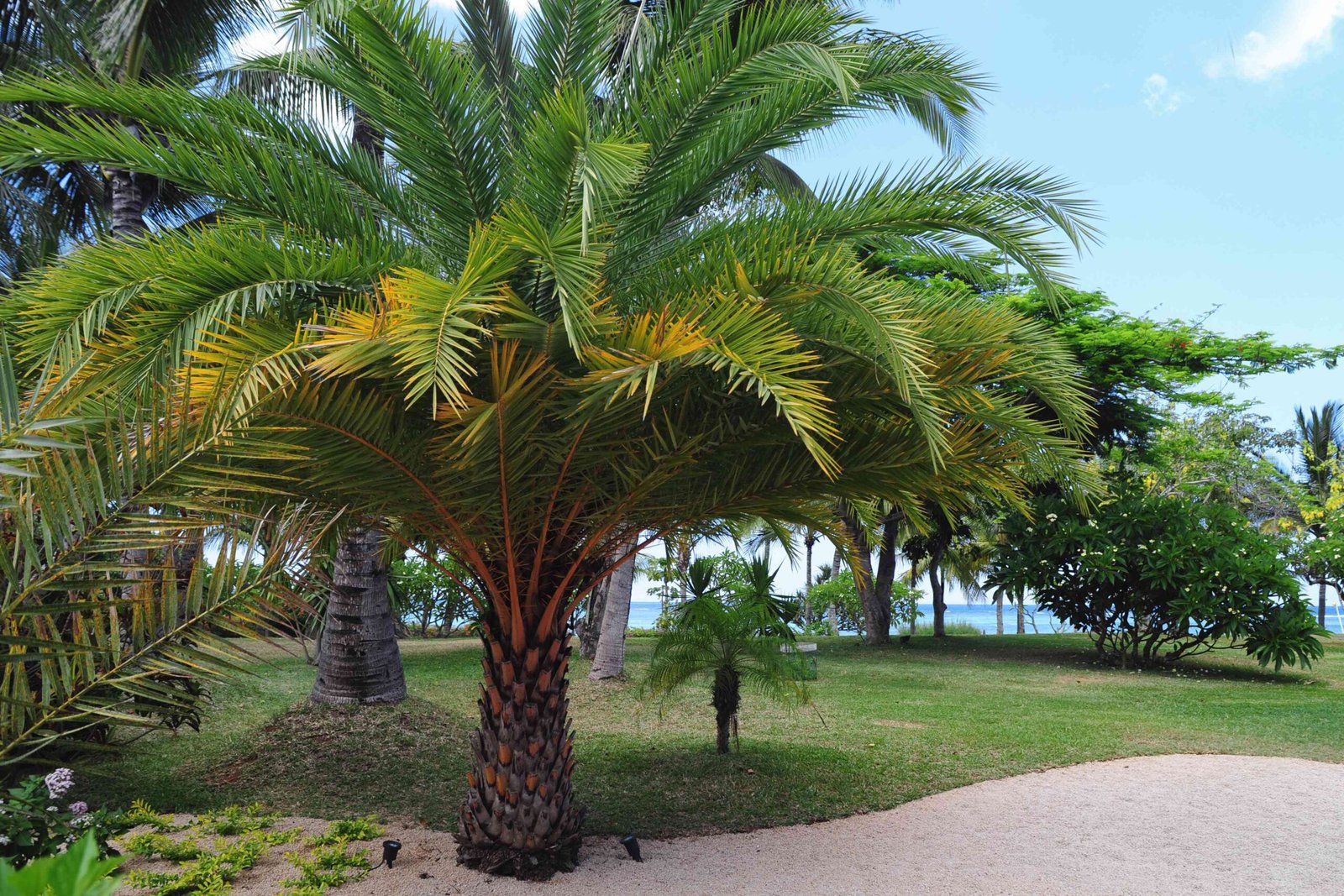
Wholesale Desert Palm Guide: Varieties, Pricing, and Bulk Buying Tips
Desert palms bring timeless elegance, drought tolerance, and architectural beauty to arid landscapes. Whether you are a landscaper, nursery owner, or resort developer, sourcing these trees in bulk requires a strategic approach. This Wholesale Desert Palm Guide covers everything you need like Best Palm Trees for California Climate: Expert Buying Guide from popular species to cost factors and procurement strategies. Trust Wholesale Desert Palm to deliver premium specimens for your next large-scale project.
Why Choose a Wholesale Desert Palm for Your Landscape Projects
Desert palms are not just plants; they are investments in curb appeal and sustainability. Unlike tropical palms, desert varieties thrive in full sun, poor soils, and minimal water. When purchased wholesale, they become cost-effective solutions for commercial developments, golf courses, and municipal beautification. By following this Wholesale Desert Palm Guide, buyers can avoid common pitfalls like overpaying or selecting the wrong species for their climate zone.
Key Varieties Covered in This Wholesale Desert Palm Guide
Understanding palm varieties is the first step toward smart bulk buying. Below are the most sought-after desert palms available through trusted suppliers.
1. Mediterranean Fan Palm (Chamaerops humilis)
A clumping, multi-trunk palm that grows slowly but remains extremely hardy. Ideal for entryways and pool areas. Wholesale prices range from 45–45–120 per 5-gallon specimen.
2. California Fan Palm (Washingtonia filifera)
The iconic American desert palm. Tall, stately, and capable of reaching 60 feet. Wholesale pricing: 75–75–250 per 15-gallon tree depending on trunk height.
3. Mexican Blue Palm (Brahea armata)
Known for striking silver-blue fronds. A slow grower but visually unmatched. Wholesale range: 90–90–300 for field-grown specimens.
4. Pindo Palm (Butia capitata)
Also called the jelly palm for its edible fruit. Feathery, arching fronds with cold tolerance down to 15°F. Bulk pricing: 60–60–180 per 10-gallon.
5. Date Palm (Phoenix dactylifera)
The classic desert oasis palm. Used for fruit production and upscale landscaping. Wholesale prices vary widely: 150–150–600+ for larger field-grown trees.
Pro Tip from Wholesale Desert Palm: Always request photos of the specific lot before purchasing. Varieties like the Mexican Blue Palm can vary significantly in color intensity based on growing conditions.
Current Pricing Trends in the Wholesale Desert Palm Market
Pricing for wholesale desert palms depends on several variables. Use this Wholesale Desert Palm Guide as your reference for fair market rates.
| Palm Variety | Container Size | Typical Wholesale Price (USD) |
|---|---|---|
| Mediterranean Fan | 5 gal | 45–45–80 |
| California Fan | 15 gal | 75–75–150 |
| Mexican Blue | 10 gal | 90–90–180 |
| Pindo | 10 gal | 60–60–120 |
| Date Palm | 24” box | 300–300–600 |
Factors That Affect Price
Trunk height – Taller clear trunks command higher prices.
Frond count – More healthy fronds = better specimen.
Root development – Container-grown vs. field-dug (field-dug is cheaper but riskier).
Seasonality – Best prices in late winter before spring planting season.
Quantity – Orders of 50+ trees often qualify for 15–25% discounts.
Bulk Buying Tips: How to Maximize Value with Wholesale Desert Palm
Purchasing desert palms in bulk is different from buying retail. Here are eight actionable tips from the experts at Wholesale Desert Palm.
1. Plan Your Planting Schedule
Palms are sensitive to transplant shock. Order 4–6 weeks before your planting date. Avoid summer shipping when temperatures exceed 95°F.
2. Inspect Root Health
Ask for photos of root balls. Healthy roots are white or tan, not black or mushy. Rotting roots indicate poor nursery practices.
3. Negotiate Tiered Pricing
Most wholesalers offer better rates at quantity breaks. For example:
10–49 trees → list price
50–99 trees → 10% off
100+ trees → 20–25% off
4. Combine Varieties for Better Freight Rates
Mixing 3–4 palm varieties in one shipment reduces per-unit freight costs. Wholesale Desert Palm allows custom pallet mixing.
5. Ask About Guarantees
Reputable wholesalers offer a 30–90 day survival guarantee. Avoid sellers with “as-is” only policies.
6. Consider Bare Root vs. Potted
Bare-root desert palms are 30–40% cheaper but must be planted within 48 hours. Potted palms cost more but have higher survival rates.
7. Request a Pre-Shipment Video Call
Always visually verify the actual trees before payment. Scams are common in the plant trade. Legit wholesalers will gladly walk their nursery via video.
8. Calculate Landed Cost
Include freight, taxes, and any phytosanitary certificates (required for interstate shipping). A 100palmcanbecome100palmcanbecome140 after fees.
Common Mistakes to Avoid – Wholesale Desert Palm Guide
Even experienced buyers make errors. Avoid these three frequent mistakes:
Mistake #1: Buying only by price – The cheapest palms often have poor root structure or hidden diseases.
Mistake #2: Ignoring climate hardiness – A California Fan Palm may struggle in humid zones. Always check USDA zone compatibility.
Mistake #3: Overlooking minimum order quantities (MOQs) – Many wholesalers require MOQs of 1,500–1,500–3,000. Wholesale Desert Palm offers lower MOQs for first-time bulk buyers.
How to Choose a Reliable Wholesale Desert Palm Supplier
Not all wholesalers are equal. Use this checklist before committing:
✅ Active nursery license and USDA certification
✅ Positive reviews on Google and landscape forums
✅ Willingness to share third-party inspection reports
✅ Clear return and refund policy
✅ Dedicated account manager for bulk orders
Wholesale Desert Palm meets all five criteria, with over 12 years of experience shipping thousands of desert palms across the continental US.
Conclusion: Master Your Next Purchase with This Wholesale Desert Palm Guide
Sourcing desert palms in bulk doesn’t have to be overwhelming. By understanding varieties, monitoring pricing trends, and applying the bulk buying tips outlined in this Wholesale Desert Palm Guide, you can secure premium trees without overspending. Remember to inspect root health, negotiate tiered discounts, and always verify your supplier’s reputation. For consistent quality, transparent pricing, and expert support, partner with Wholesale Desert Palm on your next landscaping project. From Mediterranean Fan to Mexican Blue, your ideal desert oasis starts here.